
Surface Hygiene
What the eye can't see can cost you dearly
In professional settings—such as institutional kitchens, healthcare facilities, daycare centers, and the food processing industry—microbiological contamination of surfaces poses a real health risk, one that is often underestimated because it is not measured.
We guide you every step of the way, from assessing your situation to implementing a tailored, proven, and effective solution. No need to choose a product on your own, and no empty promises: an expert-led approach, from start to finish.
Why is it important to take the microbiological hygiene of your surfaces seriously?
A regulatory requirement in many sectors
Maintaining surface cleanliness is central to HACCP guidelines (food industry, institutional food service), ISO 22000 certification, hospital standards, and hygiene protocols in early childhood education and care settings.
In all these situations, verifying the actual effectiveness of cleaning and disinfection is not optional: it is a requirement of the sanitation control plan, and the facility manager is directly responsible for ensuring compliance.
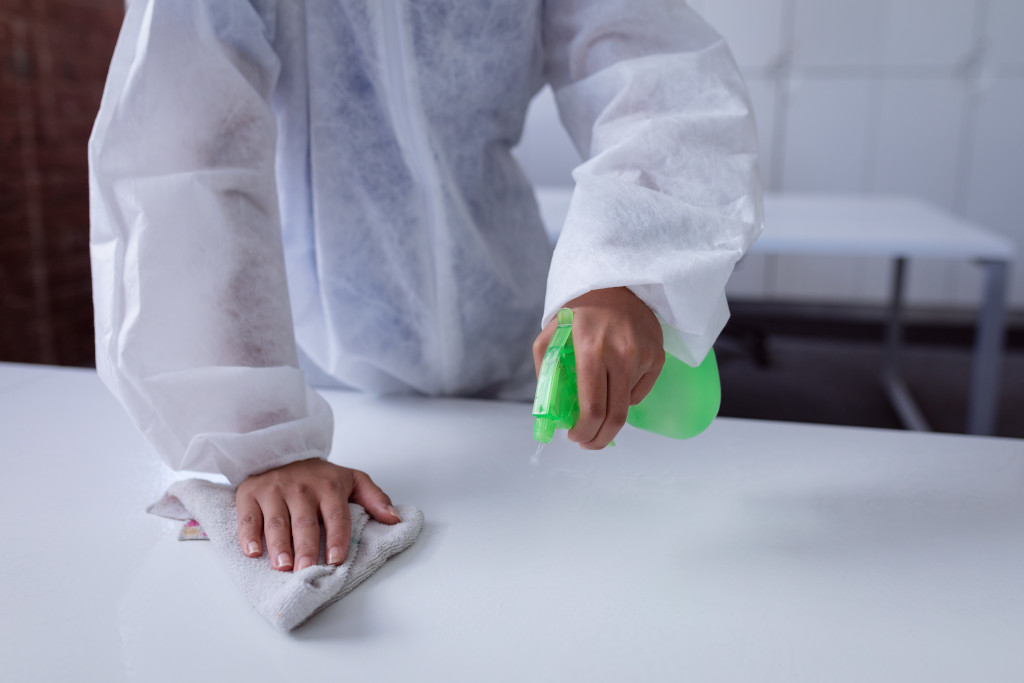
A challenge related to occupational health and the protection of vulnerable groups
In daycare centers, nursing homes, hospitals, and schools, the people present are often vulnerable.
Contamination of surfaces can contribute to the spread of nosocomial infections, food poisoning, or respiratory infections, with potentially serious consequences.
For employers, the prevention of biological risks associated with surfaces is also covered by the Labor Code and must be included in the DUERP.
A driver of CSR and trust
Demonstrating a high standard of hygiene through measurable and traceable data builds trust among your teams, customers, and users.
It is also a tangible component of a committed CSR approach, going far beyond mere statements of intent.
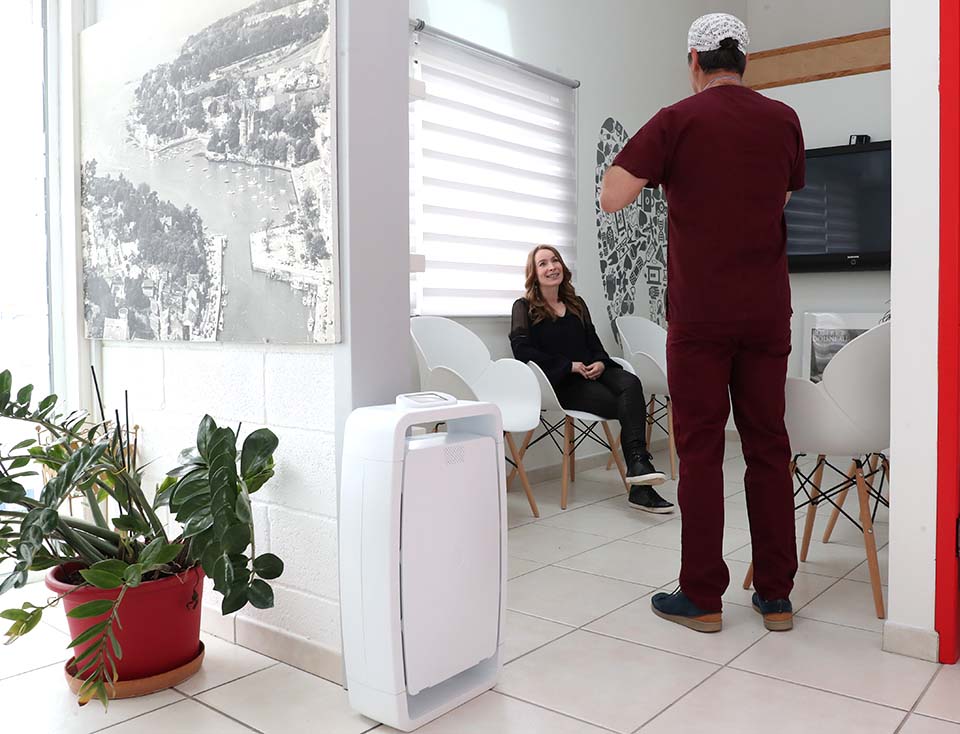
The health risks of poor hygiene
- Infectious risks: the spread of pathogenic bacteria (Salmonella, Listeria, MRSA), viruses, or fungal spores in shared spaces.
- Allergic and respiratory risks: Mold releases spores that can trigger or aggravate rhinitis, asthma, sinusitis, and respiratory tract irritation. Some species produce mycotoxins that can have toxic effects with prolonged exposure.
- Regulatory risks: An inspection that reveals a failure to maintain proper hygiene standards can result in administrative closures, penalties, or formal notices.
- Reputational risks: A health incident involving surface contamination can have a lasting impact on the trust of users, customers, or partners.
Air and surfaces: two inseparable issues
Contaminants never remain solely in the air or solely on surfaces. In an indoor environment, airborne particles, microorganisms, biological dust, and other compounds circulate, settle, and can then become airborne again as a result of movement, cleaning, or activity.
An approach that focuses solely on surfaces or air quality may therefore allow certain invisible sources of contamination to persist.
To ensure effective environmental management, it is essential to adopt a comprehensive approach that allows for an assessment of the entire indoor ecosystem:
- air quality and air exchange
- surface contamination
- presence of dust and allergens
- pollution-generating activities
- actual occupancy conditions
At NatéoSanté, we work with facilities using an integrated approach that helps them understand the interactions between air, surfaces, and usage patterns, enabling them to take targeted and sustainable action.
Exclusive technology for simultaneously treating the air and surfaces
In certain sensitive environments, improving hygiene cannot rely solely on manual surface cleaning or air filtration.
NatéoSanté developed an exclusive, patented technology for controlled active oxygen that is integrated into certain solutions in its EOLIS Air Manager and Hygeolis product lines, enabling the disinfection protocols to be temporarily enhanced during specific phases carried out in unoccupied premises.
This technology operates on a global scale to help simultaneously reduce:
- certain microorganisms found in the air and on surfaces
- contaminants that are difficult to reach
- certain lingering odors
- certain volatile organic compounds
This feature is part of a comprehensive environmental management strategy and does not replace existing cleaning procedures or regulatory protocols.
Frequently Asked Questions About Surface Sanitation
What is ATP analysis, and why is it reliable?
ATP (Adenosine Triphosphate) is a molecule found in all living cells.
Its detection via bioluminescence instantly reveals any biological traces on a surface, even those invisible to the naked eye.
This is the gold standard in the food and medical industries for objectively assessing the effectiveness of a cleaning procedure.
Our premises look clean. Is it really necessary to conduct an inspection?
It is precisely in these situations that testing is most useful.
The most common contaminants are often invisible: mold, allergens in dust, biofilms, biological residues, or contaminants circulating between the air and surfaces. An environment that appears clean may actually have significant levels of contamination without any visible signs.

101 Gustave Eiffel Street
44680 SAINT-HILAIRE-DE-CHALEONS
France
Hours
Monday through Friday
9:00 AM – 1:00 PM
2:00 PM – 5:00 PM