
Air Quality and Occupational Risk Prevention in Podiatry Practices
Preventing invisible exposures associated with the care and manufacture of orthoses
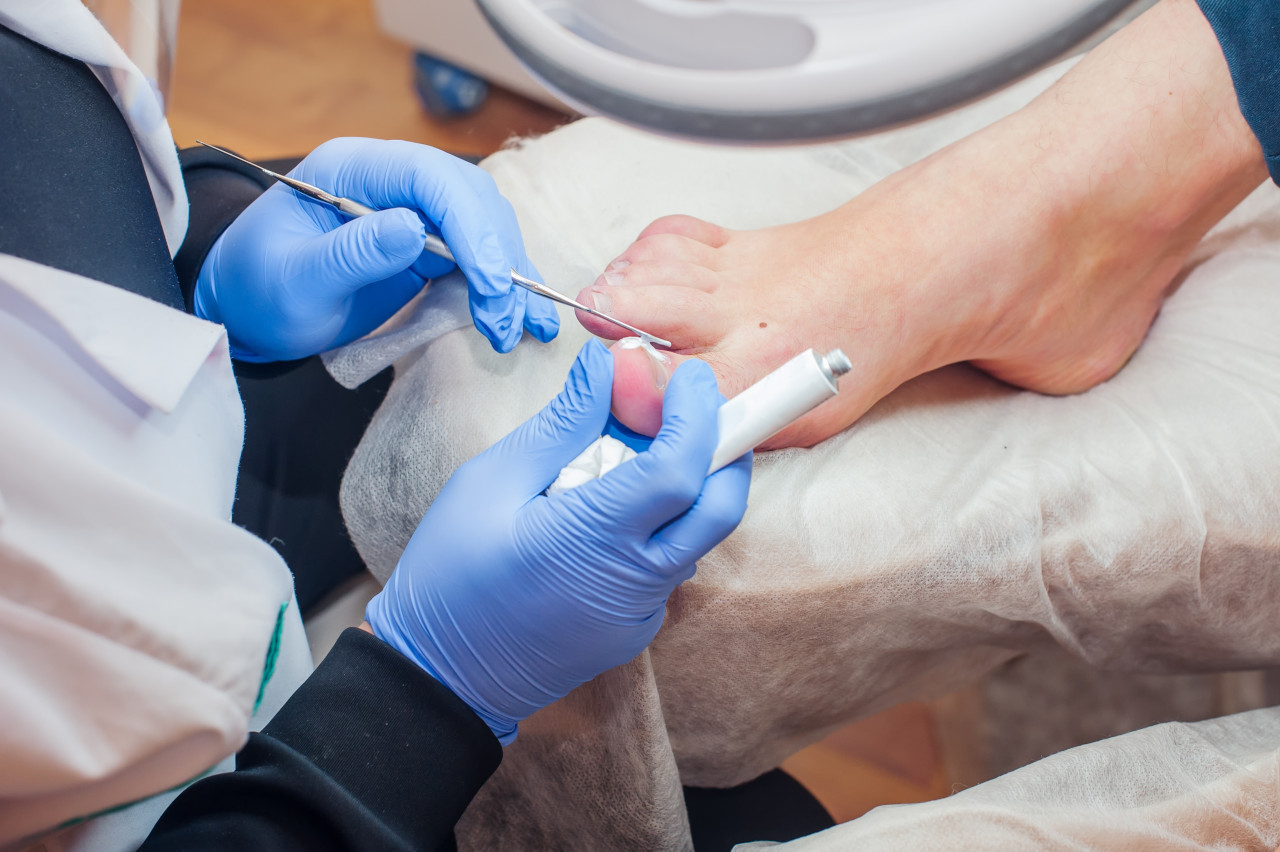
Podiatrics and foot care practices face often-overlooked occupational risks related to indoor air quality. Treatments, drilling, sanding, and the fabrication of orthotics generate fine dust, while adhesives, resins, solvents, and certain disinfectants can emit volatile organic compounds (VOCs). Added to this are the biological aerosols produced during certain treatments.
These pollutants, which are often invisible, can contribute to daily exposure for dental practitioners. Their levels vary depending on the practice’s activity, the layout of the premises, the presence of a fabrication lab, and work habits.
Because it is difficult to take effective action without knowing the exact levels of exposure, NatéoSanté podiatrists through a step-by-step process: measuring air quality, identifying the main sources of exposure, and then implementing appropriate preventive measures.
The Main Occupational Risks Related to Air Quality in Podiatry Clinics
Podiatrics involves exposure to several sources of air pollution that can accumulate throughout the day.
Dust generated during the fitting and manufacturing of orthotics
Milling, sanding, or grinding materials produces dust particles of various sizes. Some of these particles remain suspended in the air for several tens of minutes before settling and can be inhaled by the practitioner throughout the day.
Exposure levels depend, in particular, on:
- the type of activity performed;
- the materials used;
- the frequency of sanding operations;
- the presence of an integrated workshop.
Emissions of Chemical Compounds
The manufacture of orthotics and the maintenance of the practice require the use of various products that may emit volatile organic compounds (VOCs):
- adhesive rolls;
- neoprene adhesives;
- resins;
- solvents;
- disinfectants…
Depending on the products used, the quantities handled, work practices, and the ventilation in the premises, these emissions may contribute to chronic exposure among workers.
A different exhibition in each office
There is no “typical” level of exposure.
Two firms engaged in the same business may have very different profiles depending on:
- their configuration;
- whether or not there is a workshop;
- air exchange;
- the products used;
- the layout of spaces.
That is why an assessment conducted under real-world conditions is often essential.
Risks that are often hard to notice, but very real
Healthcare professionals may be exposed to various pollutants for several hours a day without always realizing it.
Repeated exposure to these substances can cause:
- respiratory or eye irritation;
- headaches;
- allergic sensitization;
- discomfort caused by odors;
- and, in some cases, more serious conditions.
As part of an assessment of occupational risks and workplace health and safety, these exposures warrant special attention because they may constitute a chronic, daily exposure for healthcare practitioners and their teams, which can contribute to the development of health effects and, depending on the nature and level of exposure, may be associated with certain occupational diseases.
In many medical offices, practitioners eventually stop noticing certain odors that are actually indicative of a gradual buildup of pollutants in the premises. Conversely, the absence of an odor does not necessarily mean that the air is free of pollutants. Some compounds may be present in significant concentrations without being detectable.
What the air quality measurements taken at the office reveal
Without measurements taken under real-world conditions, it is often impossible to accurately assess the levels of exposure in a dental office.
Air quality assessments conducted in podiatry practices consistently show:
- peaks in fine particulate matter during milling operations;
- significant VOC emissions during the gluing process;
- significant differences between treatment rooms and workshops;
- as well as a gradual buildup of pollutants throughout the day.
In some older buildings, materials can also become permanently contaminated with pollutants present in the indoor air.
These measures make it possible to objectively assess certain occupational exposure situations that are difficult to detect in day-to-day work and to identify the activities that result in the highest exposure levels.
Example of an air quality assessment conducted at a podiatry practice
During a 7-day monitoring campaign conducted at a 20 m² podiatry practice equipped with an orthotic fabrication workshop, measurements revealed peaks in fine particulate matter during sanding operations, as well as high concentrations of volatile organic compounds (VOCs) during the gluing phases.
Conversely, CO₂ levels remained within acceptable limits thanks to regular ventilation. This example illustrates that good air exchange alone does not guarantee low exposure to other pollutants present in a medical office.
This type of assessment makes it possible to precisely identify the activities with the highest emissions and to prioritize the prevention measures best suited to the firm’s structure and practices.

Our approach: measure before acting
At NatéoSanté, we prioritize an approach based on measuring and understanding actual exposure levels before making any decisions regarding equipment.
Step 1 – Assess the air quality in the office
The IAQ (Indoor Air Quality) assessment is conducted directly at the office over several days under normal operating conditions.
Measuring devices make it possible, in particular, to track changes in:
- PM2.5 fine particulate matter;
- volatile organic compounds (VOCs);
- formaldehyde;
- confinement (CO2 level);
- and variations related to the firm's various activities.
The goal is to identify the main sources of occupational exposure, assess the risk factors associated with the activity, and prioritize prevention measures that are truly effective.
Step 2 – Reduce exposure whenever possible
The assessment helps identify the situations that result in the highest exposure levels, so that targeted measures can be implemented that are tailored to the practice’s structure:
- optimization of certain practices (gluing, product handling, storage);
- improved ventilation and air exchange;
- adapting the layout of spaces to suit the activities;
- reducing the most polluting sources, particularly by reducing exposure to chemical agents whenever possible;
- improvements in collective prevention measures.
These adjustments often yield quick initial results before any further steps are taken.
Step 3 – Implement an air treatment solution tailored to your business
Even with effective ventilation and organizational adjustments, certain exposures remain difficult to eliminate entirely in a podiatry practice: fine dust from drilling, sanding residue, solvents, adhesives, odors, or chemical compounds released on a daily basis.
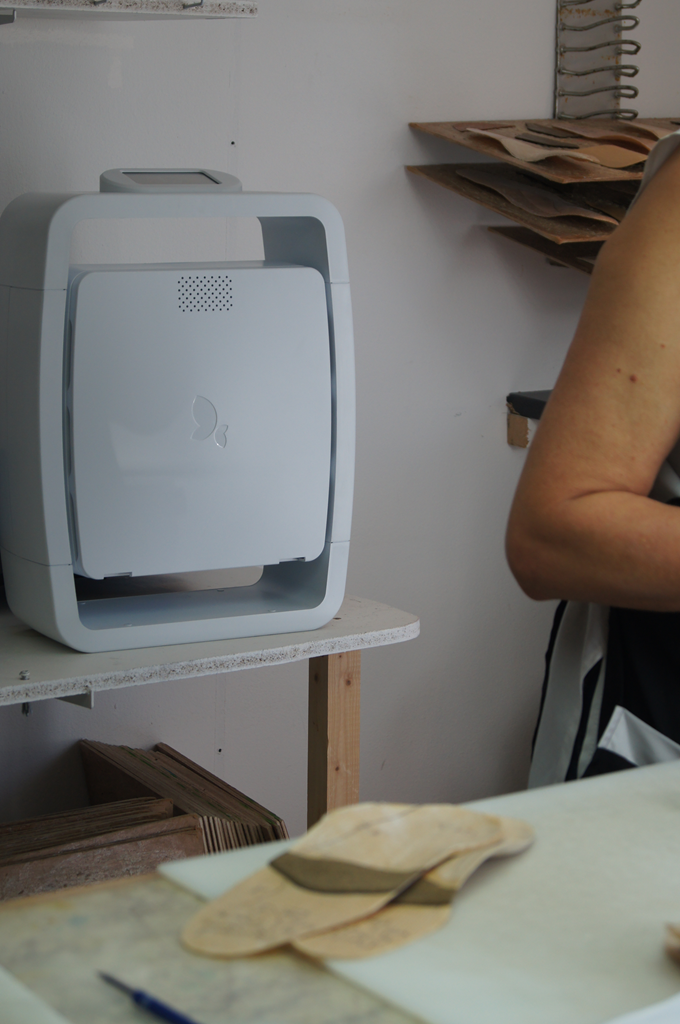
For more than fifteen years, NatéoSanté and manufacturing the EOLIS Air Manager professional equipment in France, which is designed to reduce exposure to airborne pollutants in healthcare and workplace environments. This comprehensive expertise in the relevant technologies allows us to address the specific challenges of each professional environment.
EOLIS Air Manager solutions combine various complementary technologies depending on the pollutants identified:
- high-efficiency HEPA filtration to capture fine particles generated during treatment and material processing;
- high-density activated carbon filtration to reduce solvents, volatile organic compounds, and odors;
- complementary technologies designed to address specific risks based on identified needs.
Each solution is then scaled based on:
- the results obtained during the diagnostic evaluation;
- the size and layout of the office;
- the possible presence of a workshop;
- the practitioner's work habits;
- the desired prevention goals.
This approach is part of a comprehensive strategy for occupational risk prevention. It aims to reduce exposure whenever possible by combining improved practices, ventilation, spatial planning, and collective protective equipment tailored to the pollutants actually present.
The goal is not simply to add a standard air purifier to a room, but to implement an exposure reduction strategy tailored to the practice’s specific circumstances, with measurable results over time.
A solution available through an operating lease
When an air treatment solution is recommended, NatéoSanté also offers its EOLIS Air Manager equipment on an operational lease basis. This option allows customers to acquire the equipment without a significant initial investment, with a manageable monthly budget and related services provided throughout the term of the contract.
Depending on the chosen plan, the lease may include the provision of equipment, the supplies needed for its operation, as well as remote monitoring and support services.
The goal: to ensure the long-term performance of the installed solution and simplify its day-to-day management.
Incorporate Air Quality into Your Prevention Strategy
In podiatry practices, indoor air quality is a major concern when it comes to occupational risk prevention. Treatment procedures, the fabrication of orthotics, and the daily use of chemicals can expose practitioners to fine particulate matter, volatile organic compounds (VOCs), biological agents, and other pollutants present in the indoor environment.
Measuring exposures allows you to:
- to objectively assess risky situations;
- to prioritize preventive measures;
- to improve working conditions;
- to strengthen collective prevention measures;
- to support a comprehensive approach to occupational health.
When the firm employs staff, the results of the assessment can also contribute to the analysis conducted as part of the Single Document for the Assessment of Occupational Risks (DUERP).
Measuring air quality thus makes it possible to objectively assess certain exposure situations and to support a prevention strategy tailored to the practice’s actual activities.
Start your assessment
Expertise tailored to high-risk professions
For more than fifteen years, NatéoSanté professionals dealing with issues related to indoor air quality and occupational risk prevention in healthcare settings. In partnership with the National Federation of Podiatrists (FNP), we help podiatrists better understand their occupational exposures, objectively assess the risks associated with their work, and implement appropriate preventive measures.
Frequently Asked Questions
What pollutants are present in the air of a podiatry office?
What parameters are measured during an air quality assessment?
Why doesn't an adequate CO₂ level guarantee good air quality?
Why isn't ventilation always enough to reduce pollutants?
What are the main occupational hazards in a podiatry practice?
Are the risks related to air quality the same in all podiatry practices?
Is a podiatrist required to conduct an occupational risk assessment?
Does the air quality assessment disrupt the practice's operations?
Why conduct an assessment before choosing an air treatment solution?

101 rue Gustave Eiffel
44680 SAINT-HILAIRE-DE-CHALEONS
France
Hours
Monday through Friday
9:00 a.m. – 1:00 p.m.
2:00 p.m. – 5:00 p.m.