
Air Quality and Occupational Risk Prevention in Veterinary Clinics
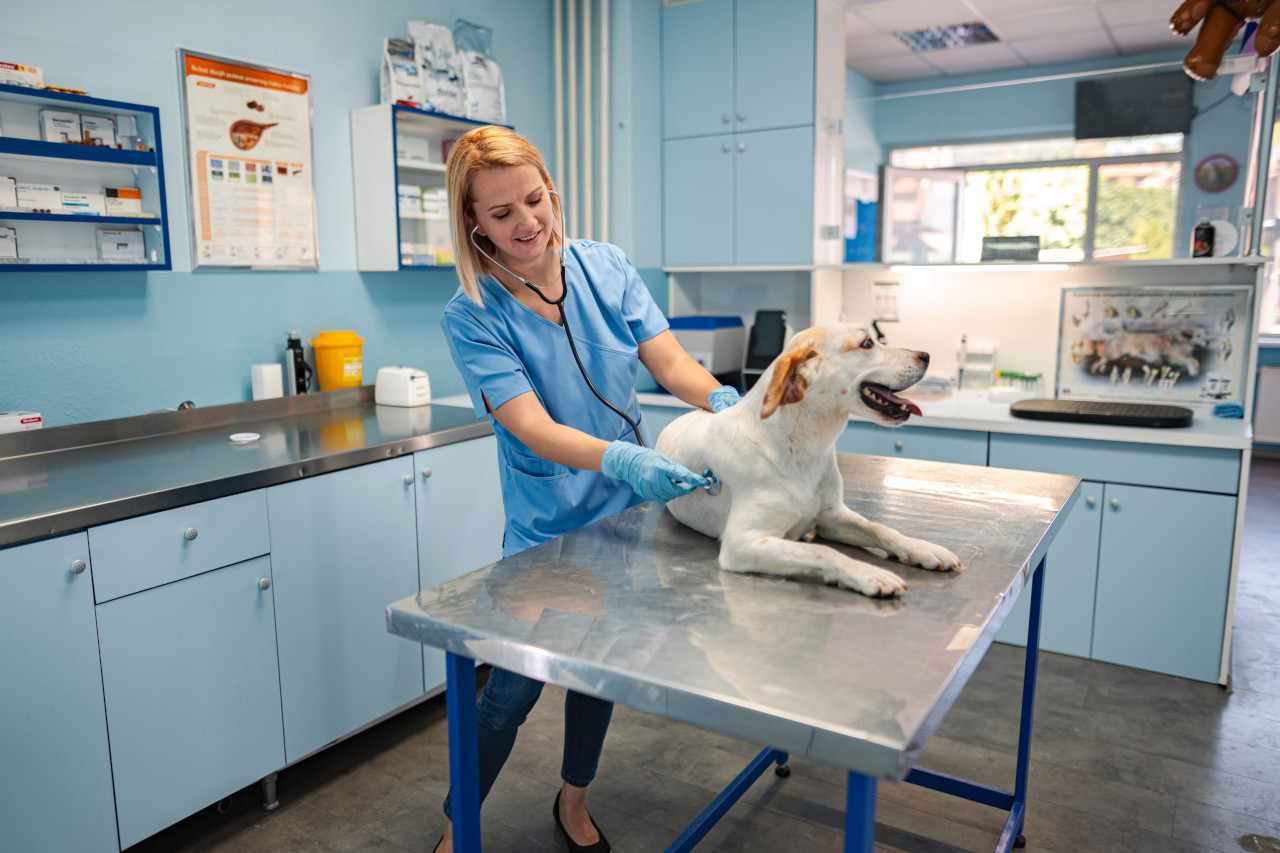
Invisible pollutants are a part of everyday life at veterinary clinics
Because they are invisible, these pollutants often go unnoticed. Yet they can contribute to healthcare professionals’ daily exposure and affect working conditions, staff comfort, and the quality of the healthcare environment.
While hygiene protocols, protective equipment, and ventilation are an integral part of veterinary practice, air quality is rarely assessed objectively. Without measurements, it is difficult to know which activities actually generate the most emissions, when concentrations rise, or what steps will lead to a lasting improvement in the situation.
That is precisely the goal of the air quality assessment developed by NatéoSanté : to measure, understand, and then assist veterinary clinics in implementing preventive measures tailored to their operations.
Why Measure Air Quality in a Veterinary Clinic?
Veterinary clinics have a very specific exposure profile. In the course of a single day, activities may include consultations, surgical procedures under general anesthesia, dental care that generates aerosols, handling of specimens, cleaning and disinfection procedures, and the hospitalization of animals. Each of these activities has its own sources of emissions and contributes to changes in air quality.
Contrary to what one might think, two facilities of comparable size do not necessarily have the same levels of exposure. The products used, the layout of the premises, work practices, the number of procedures performed, and the performance of the ventilation system all have a significant impact on the concentrations observed.
Measuring air quality thus makes it possible to move from a subjective perception to an objective assessment. The results highlight the situations involving the highest exposure, enable the prioritization of preventive measures, and provide concrete data to support the occupational risk prevention process and the DUERP.
The Main Pollutants Encountered in Veterinary Practice
Anesthetic Gases
Isoflurane and sevoflurane are widely used during surgical procedures. Even when equipment is properly maintained, low-level emissions may occur during induction, intubation, or recovery. These emissions are generally invisible and vary depending on work practices and the equipment used.
Volatile organic compounds (VOCs)
Cleaning and disinfecting products, certain solvents, and laboratory supplies can emit volatile organic compounds. Their concentration fluctuates throughout the day and depends directly on the clinic’s practices. Without measurement, these variations generally go unnoticed.
Formaldehyde
Formaldehyde may be present during the handling or storage of certain specimens intended for pathological examination. Its presence warrants special attention in the context of chemical risk prevention.
Fine Particles
Veterinary dental care, certain surgical procedures, cleaning procedures, and the movement of animals generate particles of various sizes that may remain suspended in the air after the activity has ended.
Microorganisms and Bioaerosols
The presence of animals, care procedures, handling, cage cleaning, and certain other procedures can contribute to the release of microorganisms of animal or environmental origin—such as bacteria, viruses, fungal spores, and other biological particles—into the air. Their presence and concentration vary depending on the activity, the premises, air exchange rates, and hygiene practices. Controlling these pathogens is therefore an additional preventive measure, particularly in areas housing sick or vulnerable animals.
Animal Allergens
Animal hair, dander, and other allergens are naturally present in veterinary clinics. Their concentration depends, in particular, on the number of animals treated, their species, cleaning practices, and air exchange rates.
Carbon dioxide (CO₂)
CO₂ is not a toxic pollutant at the concentrations typically found indoors. However, it serves as an excellent indicator of air exchange and helps determine whether ventilation is sufficient during periods of occupancy.
Good ventilation does not always guarantee good air quality
Regularly opening windows or using mechanical ventilation are essential practices. They help prevent the buildup of stale air in rooms and maintain acceptable CO₂ levels.
However, a low concentration of CO₂ does not necessarily mean that all other pollutants are under control.
In many veterinary clinics, monitoring campaigns show that air exchange is satisfactory, even though certain activities occasionally generate high concentrations of fine particles, volatile organic compounds, or formaldehyde. These emissions sometimes last only a few minutes but occur several times a day.
That is why a comprehensive assessment of air quality relies on the simultaneous measurement of several parameters, rather than on monitoring CO₂ alone.
The Main Sources of Pollution in Veterinary Clinics
| Clinic Area | Main Activities | Potentially Present Contaminants | Why measure them? |
| Operating Room | Surgery, Anesthesia | Residual anesthetic gases, VOCs, fine particles | Assess exposure levels during procedures and during the induction or emergence phases. |
| Treatment and Consultation Room | Consultations, Routine Care | VOCs, particulate matter, allergens, microorganisms | Identify variations related to daily activities. |
| Dental Office | Teeth Cleaning, Dental Care | Fine particles, bioaerosols | Measure the emissions generated during medical procedures. |
| Laboratory | Sample Preparation | Formaldehyde, VOCs | Assess emissions associated with the handling of laboratory products. |
| Dog Boarding and Hospitalization | Animal Housing | CO₂, allergens, particulate matter, odors | Check the air exchange rate and comfort conditions. |
| Reception and Waiting Room | Reception of Visitors and Animals | CO₂, particulate matter, allergens | Assess the occupancy conditions of spaces open to the public. |
An approach based on gathering data before making any decisions
At NatéoSanté, we are convinced that there is no one-size-fits-all solution for improving air quality in a veterinary clinic. Each facility has its own organizational structure, practices, and sources of exposure. As a result, two facilities of the same size may have very different pollution profiles.
That is why we prefer a step-by-step approach. Before recommending changes to practices or the installation of air-treatment equipment, we first seek to understand what is actually happening within your facility.
Our assessment is conducted over a full week of normal operations, without disrupting your workflow or changing the team’s routines. The goal is to observe the clinic as it operates on a day-to-day basis, in order to obtain an accurate snapshot of the exposures that healthcare professionals actually face.
An assessment conducted under real-world conditions
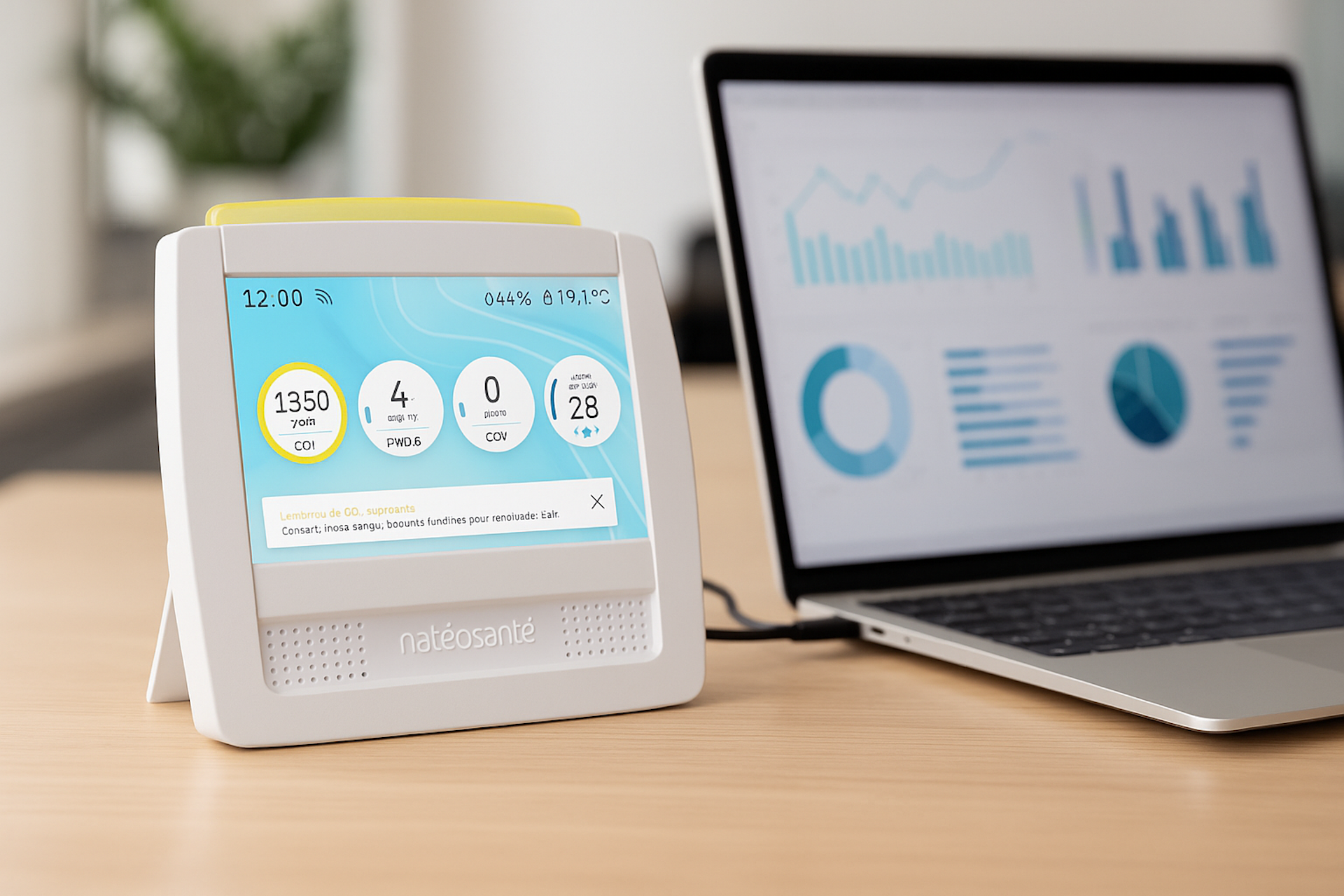
The diagnosis is based on the use of a connected monitoring device installed in your clinic for one week.
During this period, concentrations of CO₂, fine particulate matter (PM₁, PM₂,₅, and PM₁₀), volatile organic compounds (VOCs), and formaldehyde, as well as temperature and relative humidity, are continuously recorded.
Measurements are taken during consultations, surgeries, dental care, cleanings, hospital stays, or any other routine clinic activities. No changes to your operations are necessary: we are specifically interested in your actual working conditions.
At the end of the campaign, our teams analyze all the data to identify the situations that result in the highest exposure levels and to understand the mechanisms behind the observed variations.
What does your air quality diagnostic report include?
At the end of the measurement campaign, you will receive a comprehensive report along with a personalized debriefing via videoconference with an expert NatéoSanté.
Beyond the measured values, the goal is to help you understand what they mean in the context of your practice. The results are analyzed in relation to the clinic’s various stages of care to identify the situations most likely to result in exposure.
In particular, the report presents the trends in the concentrations of each measured parameter throughout the week, highlights the pollution episodes observed, and places them in the context of the activities carried out. This analysis makes it possible to identify the main sources of emissions and prioritize actions likely to improve air quality in the long term.
Each assessment also results in recommendations tailored to your facility. Depending on the results, these recommendations may pertain to cleaning and disinfection practices, the organization of certain activities, ventilation procedures, air exchange rates, or the use of collective protective equipment when appropriate.
Our goal is not to offer a one-size-fits-all solution, but to develop an action plan that aligns with your day-to-day operations.
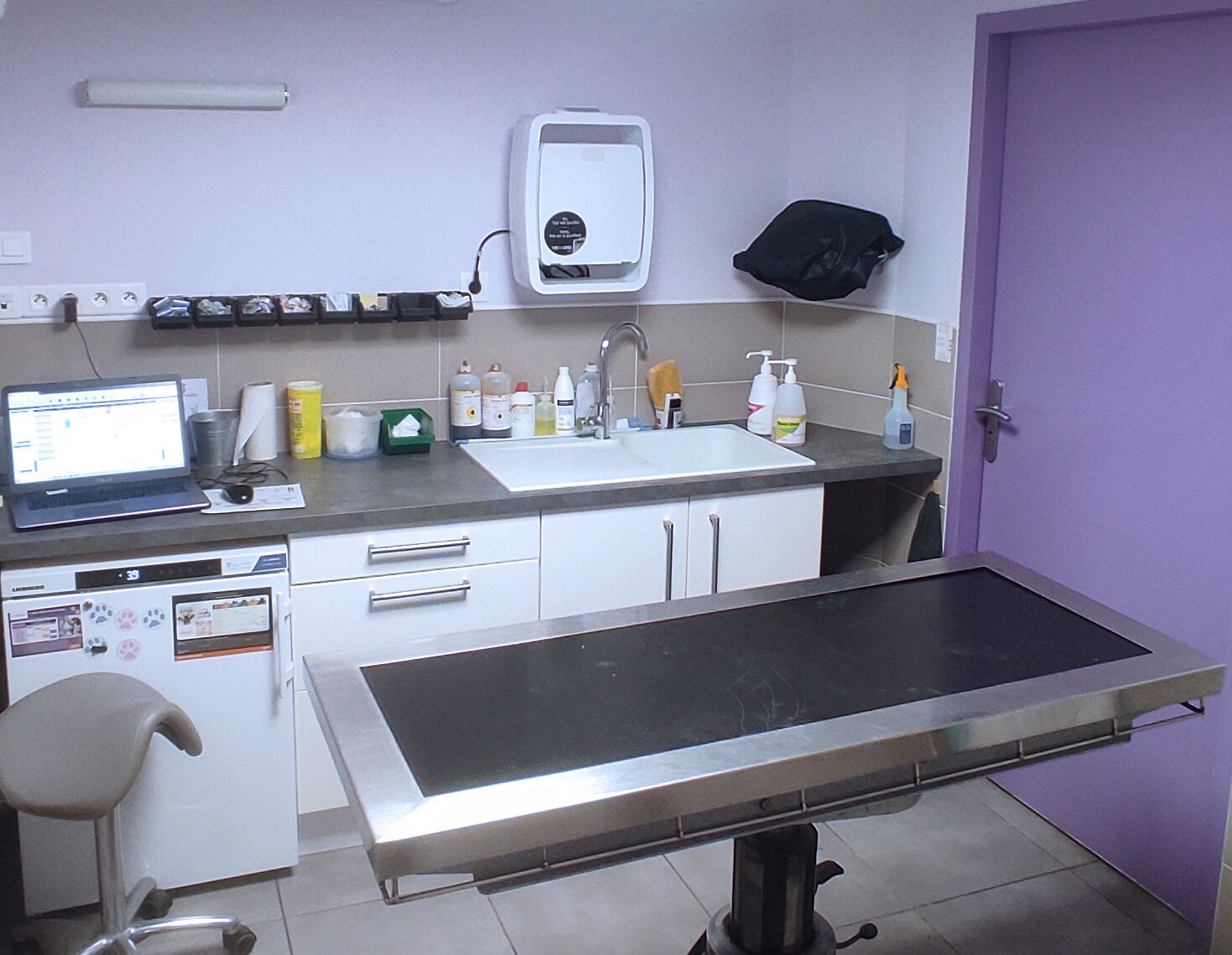
From Assessment to Implementation of Collective Protective Equipment
When measurements reveal exposures that cannot be sufficiently reduced through aeration, ventilation, work organization, or source emission control, air treatment can supplement the preventive measures already in place.
NatéoSanté designs and manufactures the EOLIS Air Manager professional solutions in France, which combine several air-treatment technologies: high-efficiency HEPA filtration to capture fine particles and aerosols, activated carbon filtration to reduce volatile organic compounds (VOCs) and odors, as well as complementary technologies tailored to healthcare environments.
The solution is tailored based on the results of the assessment, the size and layout of the premises, the activities carried out, and the pollutants identified. A clinic may therefore require different solutions depending on the specific areas involved: treatment rooms, dental offices, inpatient units, laboratories, or operating rooms.
A solution available under an operational lease
To facilitate implementation and long-term monitoring, EOLIS Air Manager equipment can also be offered through an operating lease as part of a service contract.
This plan allows you to have the right equipment without a significant upfront investment, while keeping your monthly budget under control. Depending on the plan you choose, it may include the supply of consumables, their replacement based on the device’s actual usage, as well as remote monitoring of its operation and access to support services.
The goal is not simply to install equipment, but to ensure that the air treatment solution continues to perform effectively over time and to simplify its day-to-day management for the clinic’s staff.
Case Study: When Measurements Reveal a Reality That Differs from Perceptions
A veterinary clinic staffed by two veterinarians and three veterinary technicians wanted to better understand its team’s exposure conditions. The facility was new, well-maintained, and equipped with mechanical ventilation. The windows were opened daily between consultations and procedures, so the team did not consider air quality to be a particular concern.
Over the course of a week, an assessment was conducted without changing work habits.
The results confirmed that CO₂ concentrations remained low for most of the week, indicating generally satisfactory air exchange. However, the analysis revealed several episodes of pollution that would have gone completely unnoticed without measurements.
Dental procedures consistently generated significant spikes in fine particulate matter, while certain cleaning steps caused a noticeable increase in concentrations of volatile organic compounds. Finally, the handling of pathological specimens was associated with occasional spikes in formaldehyde levels.
These observations led to the implementation of several targeted measures: adjustments to certain cleaning protocols, improved ventilation following specific activities, and the implementation of the most appropriate collective protection measures. Without disrupting the clinic’s overall operations, these adjustments have made it possible to better manage the situations involving the highest risk of exposure.
Start your assessment
Expertise tailored to high-risk professions
Since 2009, NatéoSanté has been supporting professionals facing indoor air quality challenges in their assessment and prevention efforts.
Our expertise is based on a simple belief: it’s better to measure before taking action.
Over the years, we have developed an approach that combines assessment, analysis of results, and personalized support. This method allows us to tailor our recommendations to the realities of each industry and provide concrete solutions to the challenges encountered in the field.
As a French manufacturer of air quality measurement and treatment solutions, we currently work with numerous healthcare facilities, local governments, businesses, and public-facing organizations. The experience we have gained in a wide variety of environments informs our understanding of occupational exposures and the solutions available to reduce them.
Our goal is not only to improve air quality, but also to provide long-term support to institutions in their efforts to prevent occupational hazards.
Frequently Asked Questions
Why Conduct an Air Quality Assessment at a Veterinary Clinic?
Are these measures disrupting the clinic's operations?
What parameters are measured?
Does the diagnostic test allow for direct measurement of anesthetic gases?
Is the assessment useful in the context of the DUERP?
Does a good CO₂ level mean that air quality is satisfactory?
Can air purification reduce the risk of infection among animals?
How do you choose the right collective protective equipment for a veterinary clinic?
Monitoring of operational status and maintenance activities over time is also necessary to ensure that performance is maintained over time.

101 rue Gustave Eiffel
44680 SAINT-HILAIRE-DE-CHALEONS
France
Hours
Monday through Friday
9:00 a.m. – 1:00 p.m.
2:00 p.m. – 5:00 p.m.