
It’s a fact: wespend an average of 90% of our time indoors! Ourdaily lives are often divided between home, work, school, the gym, public transportation… And even though we don’t always realize it—and pollution is sometimes invisible—it’s important to know thatindoor air is 8 to 10 times more polluted than outdoor air.
In fact,there are many sources of indoor pollution. Beyond outdoor pollution (particularly fine particles) that seeps into our homes, our daily activities also degrade the air we breathe: cleaning and the use of cleaning products, cooking, DIY projects (painting, glues, etc.), and the use of scented candles all have a real impact on the air we breathe. Exposure to this indoor pollution can lead to various symptoms and health issues such as respiratory tract irritation, headaches, poisoning, allergies, etc.
How can we reduce the impact of indoor air pollution on our health?
You can make your home healthier by adopting a few simple habits.
Here are10 tipsto help youtake care of yourself and those around you, especially those most vulnerable to air pollution: children, the elderly, and pregnant women.
Air out

1.Air out your homefor at least10 minutes a day, both in summer and winter. Keep in mind that it’s essential to air out more frequently when you’re doing DIY projects, cooking, or cleaning.
2. Hang your laundry outside or in a well-ventilated room.
3.Do not smoke indoors, even with the windows open.
Maintain your equipment
4. Perform regular maintenance on your ventilation system.
5. To promote air circulation in your home, be sure not to block your ventilation openings.
6. Clean your air conditioner regularly to prevent mold growth and eliminate bacteria.
7. Have all combustion appliances in your home (stove/fireplace, water heater/boiler, etc.) inspected annually.
Use safe cleaning products
8. Be careful about the household cleaning products you use; follow the recommended dosages on the label, do not mix them, and try to limit the number of products you use.
9.Avoidusingaerosol sprays.
10. Alsoavoidscented candles, incense, andair fresheners.
How can I tell if the air is polluted?
Use our monitoring devices to continuously track indoor air quality and the concentration of fine particulate matter in the air.
Is your air quality monitor showing consistently high pollution levels? Are you sensitive to air quality, or do you live in a heavily polluted area with frequent pollution spikes?
Now is the timeto buy an air purifier.
Discover ourmedical-grade air purifiers.Tested by an independent laboratory, they guarantee optimalair filtration performance.
EXPLORE our range of air purifiersYou might also be interested in
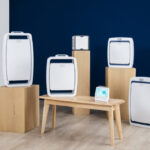
What is an air purifier? Tips for choosing an air purifier, effects on the respiratory system
Indoor air purifiers (or air filters) filter the air in enclosed spaces and release purified air. Depending on their technical design and key features, they are intended either for the general public or for professional use.

Air Quality and Athletic Performance: What We Can Learn from Elite Athletes
Olympic sailing champions have tested it: air quality directly affects performance. And this applies to you, too. Find out how.
Improving indoor air quality in elementary, middle, and high schools using CO2 sensors and air purifiers
With its comprehensive range of services, NatéoSanté supports NatéoSanté in implementing solutions that not only help you comply with regulations regarding indoor air quality (IAQ) monitoring in public buildings but also effectively combat the spread of the coronavirus responsible for COVID-19. Ensure purified air and protection […]

Why measure CO2? What are dangerous CO2 levels in ppm? What is the maximum CO2 level in a room or in the air?
CO2 emissions into the atmosphere pose a major threat to the planet’s ecological balance, but excessive indoor exposure can also pose risks to human health. High CO2 concentrations can lead to symptoms such as headaches, fatigue, reduced concentration and cognitive function, and an increased incidence of respiratory infections.