
World Asthma Day tookplace on Tuesday, May 2, 2017. Thiswasan opportunity for us to take a closer look at this chronic inflammatory disease and its link toair quality.
Air pollution seriously harms our overall health, and our lungs in particular. Among the most serious consequences is asthma, which affects more than4 million peoplein France.
Learn how to protect yourself at home by implementing good practices and by equipping the rooms of those most at risk (children, pregnant women, the elderly, etc.) withair purifiers to provide relief.
Air Quality and Asthma
Asthma is an inflammatory condition linked to the interaction between genetic and environmental factors. It manifests as difficulty breathing, a tight or painful chest, sleep disturbances caused by coughing, wheezing, or noisy breathing…
These symptoms may be occasional, occur during physical exertion, or be persistent.
It is estimated that there are more than900,000 people with asthma in France. Asthma is the leading chronic childhood disease, affecting10% to 14% of children.
Over the past 10 years,the number of people with asthma hasdoubled.
Asthma symptoms may develop or worsen when air quality deteriorates, particularly when a person with asthma is exposed to:
- House dust mites (found mainly in mattresses, pillows, and carpets)
- Animals
- Fungal spores
- Exposure to certain types of bacteria
- Bird feathers
- Smoke, mainly from tobacco and fireplaces
- Pollen, mainly in the spring
- Inhalable chemicals
Outdoor pollution—and in particular the numerouspollution spikeswe’ve experienced this year—directly impacts thequality of life for people with asthma, who are more likely to experience attacks. The culprit is fine particulate matter, including diesel particles, which are even finer and penetrate deep into our respiratory tracts.
Pollution, whether from outdoor or indoor sources, irritates the bronchial lining, which is already inflamed in people with asthma.
Air purifier: a relief for asthma sufferers
An air purifier is a solution that effectively combats pollution and helps people with asthma live better day-to-day lives.
In your day-to-day work, we also recommend that you adoptbest practices:
- Be careful about the cleaning products you use
- No smoking inside
- Wash curtains and bedding regularly to eliminate dust mites
- Use a vacuum cleaner equipped with a HEPA filter to reduce particle emissions
You might also be interested in

Air Quality and Athletic Performance: What We Can Learn from Elite Athletes
Olympic sailing champions have tested it: air quality directly affects performance. And this applies to you, too. Find out how.
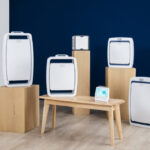
What is an air purifier? Tips for choosing an air purifier, effects on the respiratory system
Indoor air purifiers (or air filters) filter the air in enclosed spaces and release purified air. Depending on their technical design and key features, they are intended either for the general public or for professional use.
Improving indoor air quality in elementary, middle, and high schools using CO2 sensors and air purifiers
With its comprehensive range of services, NatéoSanté supports NatéoSanté in implementing solutions that not only help you comply with regulations regarding indoor air quality (IAQ) monitoring in public buildings but also effectively combat the spread of the coronavirus responsible for COVID-19. Ensure purified air and protection […]

Indoor Air Quality in 2026: Health, Environment, and Regulations—Where Do We Stand?
European Directive 2024/2881, IAQ requirements in public buildings starting in 2025: What is the state of indoor air quality in France in 2026, and what measures should be taken?