
Pollen Allergies: Symptoms, Seasonal Patterns, and Tips for Breathing Easier
In France, nearly 30% of adults are now believed to suffer from some form of allergic rhinitis, according to the latest estimates from INSERM.
An increase directly linked to climate change: longer pollen seasons, higher pollen concentrations, and air pollution that amplifies the allergenic potential of the particles.
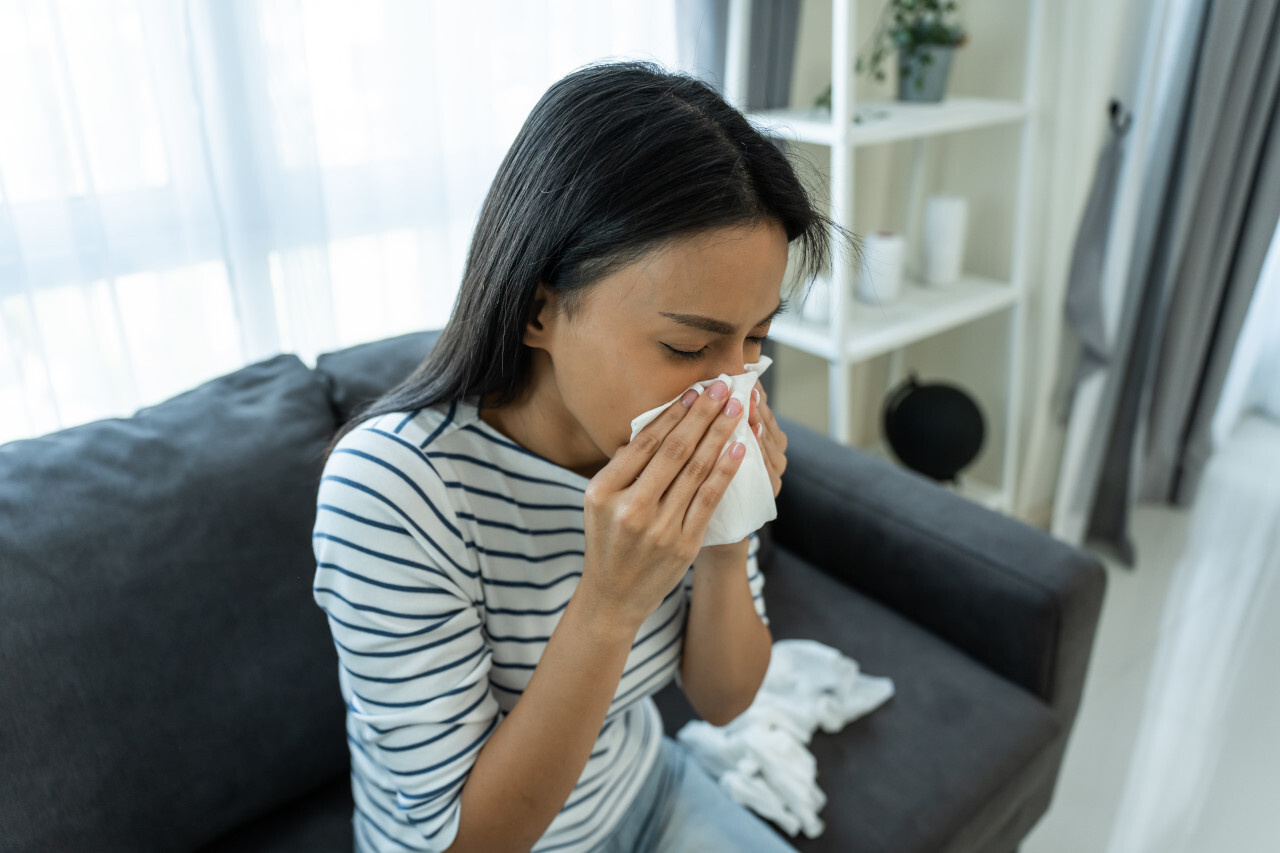
Pollen and Allergies
Why do we have allergies?
Pollen allergies, also known as seasonal allergic rhinitis, result from an inappropriate immune response to inhaled pollen particles. This reaction triggers a cascade of inflammatory events, leading to a range of often unpleasant symptoms.
In other words, an allergic reaction to pollen occurs in three stages:
- Step 1: Sensitization: When an allergen first comes into contact with the respiratory tract, the immune system—particularly T cells (white blood cells)—produces antibodies (IgE).
- Stages 2 and 3: Exposure and Symptoms: Upon subsequent exposure to the allergen, it is immediately recognized by the immune system. The IgE antibodies produced during the first exposure then bind to other immune cells containing histamine granules (mast cells and basophils). These cells then release histamines and other inflammatory mediators, which are responsible for allergic symptoms. This excessive immune reaction is repeated with each new exposure to the allergen.
Non-allergic individuals also come into contact with pollen, but their immune systems do not react in the same way as those of allergic individuals.
In fact, in non-allergic individuals, pollen is recognized as a harmless substance. Consequently, their immune cells do not become activated and do not release histamines or other inflammatory mediators. This prevents the allergic symptoms observed in allergic individuals.
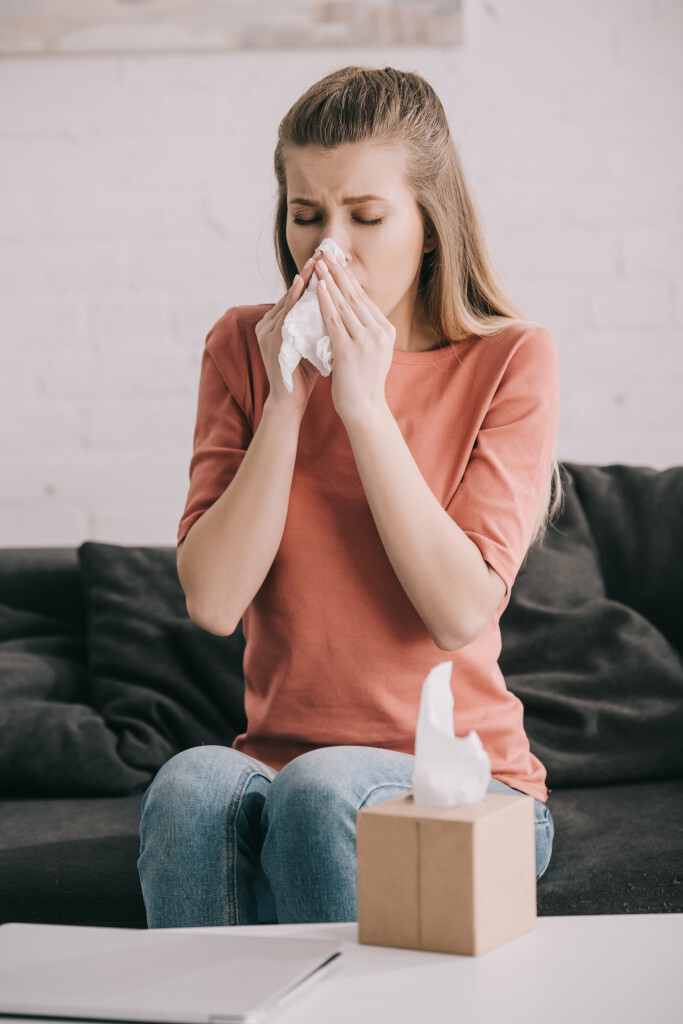
What are the symptoms of a pollen allergy?
Certain symptoms may indicate a pollen allergy, resulting from an excessive immune response.
These symptoms are often observed during the spring and summer, when many plants are in bloom and release large amounts of pollen into the air.
These common symptoms include:
- frequent sneezing
- runny nose
- stuffy nose
- itching around the nose, eyes, throat, or roof of the mouth
- red, watery eyes
- fatigue
- dry or irritating cough
- sore throat
- difficulty concentrating
These symptoms can vary in severity depending on individual sensitivity and the type of pollen to which a person is allergic.
It is important to consult a healthcare professional for a diagnosis.
Relieve symptoms
Pollen calendar: Which plants and when?
The Importance of Allergy Testing
To better target your prevention and treatment efforts, we strongly recommend consulting an allergist to undergo specific allergy tests.
These painless and accurate tests help identify the types of pollen to which you are sensitive, making it easier to implement appropriate strategies.
Flowering seasons
It is important to keep in mind that each region and season may have its own dominant types of pollen. Different plants release a variety of pollens throughout the year, each with its own flowering season.
By knowing these exposure periods, you will be better prepared to anticipate and take appropriate preventive measures.
- Grass pollen: one of the main causes of allergies in the spring and summer.
- Tree pollen: often the cause of allergies in early spring. Trees such as birch, oak, maple, and poplar release allergenic pollen.
- Pollen from grasses and other plants: It can be present year-round, but is most common in the spring and summer. Plants such as stinging nettles, plantains, and ragweeds can produce allergenic pollen.
As a result of global warming, pollen seasons are gradually getting longer. Grass pollen, which is usually most prevalent in May and June, is now being detected as early as April in the south of France. Ragweed, which is particularly allergenic, is also expanding its range northward and westward across the country.
How can you relieve pollen allergies?
Real-time pollen maps
Thanks to the maps provided by the National Aerobiological Monitoring Network (RNSA), you have access to crucial information on pollen levels in your area in real time and for the coming days.
This allows you to best adjust your outings and plan your activities based on pollen fluctuations.
Drug treatments
Medications for pollen allergies include antihistamines, nasal decongestants, and nasal corticosteroids.
- Antihistamines are widely used to relieve allergic symptoms such as sneezing, itching, and a runny nose. However, they can cause side effects such as drowsiness and dry mouth.
- Nasal decongestants, which are also recommended for relieving nasal congestion, can cause nasal irritation and an increase in blood pressure with prolonged use.
- Nasal corticosteroids are effective at reducing nasal inflammation and managing symptoms over the long term. However, they can cause nasal irritation and require regular use to remain effective.
It is important to consult an allergist or a doctor to determine the most appropriate treatment based on individual tolerance and the severity of symptoms.
Relieving Pollen Allergies: Everyday Tips
While medications such as antihistamines are effective and help manage symptoms, it is entirely possible to combine them with—or replace them with— daily habits that will also relieve your discomfort.
As suggested by the Ministry of Labor, Health, and Social Solidarity, to minimize the symptoms of pollen allergies in daily life, it is recommended that you:
- stay indoors during peak pollen season
- close the windows
- use an air conditioner or air purifier with a pollen filter
- wear sunglasses
- take a shower and change clothes after going out
- wear a face mask
- check local pollen forecasts
Which air purifier should you choose if you have allergies?
Staying indoors can help reduce exposure to pollen and alleviate allergy symptoms, but it does not guarantee complete protection, especially when other indoor allergens such as mold, dust mites, pet dander, etc., are present.
Furthermore, it is important to remember that pollen can easily enter homes or apartments. Ventilation alone can allow allergens to enter your home, as can clothing worn outdoors or pets that move back and forth between indoors and outdoors.
It is therefore crucial for people with allergies to take additional steps to reduce their exposure to allergens, regardless of their environment.
For maximum relief, the right air purifier can significantly reduce pollen levels in your home. Here are the key factors to consider before making a purchase:
- Certified H13 HEPA filter: This is the minimum standard recommended for people with allergies. This type of filter is designed to capture fine particles as small as 0.3 microns, including pollen, bacteria, viruses, and dust mites. Make sure the HEPA certification is specifically H13—generic labels such as “HEPA filter” without a specific rating are insufficient.
- Multi-stage filtration: A pre-filter (for large particles) combined with a HEPA filter and, ideally, an activated carbon filter (for odors and chemical compounds) provides greater efficiency than a single-stage filter.
- Built-in air quality sensors: Models equipped with particulate matter (PM2.5) and/or CO₂ sensors automatically adjust the filtration flow rate based on actual indoor pollution levels—a feature that is particularly useful during peak pollen seasons.
- Airflow appropriate for the room size: Check the CADR (Clean Air Delivery Rate) specified by the manufacturer and make sure it matches the size of the room. An undersized unit will provide only limited benefits.
Can pollen allergies develop in adulthood?
Can pollen get into a closed house?
Air purifiers and allergies: Are they really effective?
What is the difference between seasonal allergic rhinitis and perennial allergies?
You might also be interested in

What is an air purifier? Tips for choosing an air purifier, effects on the respiratory system
Indoor air purifiers (or air filters) filter the air in enclosed spaces and release purified air. Depending on their technical design and key features, they are intended either for the general public or for professional use.
Improving indoor air quality in elementary, middle, and high schools using CO2 sensors and air purifiers
With its comprehensive range of services, NatéoSanté supports NatéoSanté in implementing solutions that not only help you comply with regulations regarding indoor air quality (IAQ) monitoring in public buildings but also effectively combat the spread of the coronavirus responsible for COVID-19. Ensure purified air and protection […]

Air Quality in Dental Laboratories: What Are the Risks for Dental Technicians, and How Can They Protect Themselves?
Metal dust, silica, resins, chemical fumes… Dental technicians are among the professionals most exposed to indoor air pollution. Learn about the real risks, the latest data for 2025–2026, and practical air purification solutions to protect your laboratory.
Air quality: a vital and long-term issue!
Two recent scientific studies have brought pollen and PM2.5 fine particles into the debate on possible factors accelerating SARS-CoV-2 transmission and the spread of COVID-19. This serves as a reminder that, even beyond the pandemic, air pollution—both outdoor and indoor—remains one of the major causes […]