
Asthe coronavirus pandemic has already claimed 17,000 lives in France and continues to spread, people with allergies and asthma are becoming seriously concerned. Indeed, with the arrival of spring and warmer weather, seasonal allergies (pollen allergies, grass allergies, etc.) are making a strong comeback, leading to the onset of numerous health issues, primarily respiratory in nature.
Allergies and COVID-19: What Are the Symptoms?
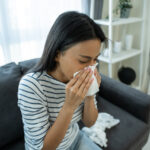
A runny nose, cough, sneezing fits, rhinitis and sinusitis, headaches, and fatigue—these are all symptoms that may remind some people of COVID-19, just as they do of pollen allergies. But unlike the coronavirus, there is one key distinguishing factor: allergies do not cause a fever; this symptom is specific to viral infections.
Are people with allergies at greater risk from COVID-19?
With the coronavirus outbreak, people suffering from allergies or any respiratory condition are concerned about the spread of the virus. While they are certainly more vulnerable, people with respiratory conditions, such as respiratory allergies or asthma, are not at greater risk during the current pandemic. In fact, it is essential to emphasize the need to continue their regular maintenance treatment as usual in order to manage their condition effectively, without risking potential complications at a time when medical services are overwhelmed.
What recommendations and precautions should be taken?
In France, one in four people suffers from respiratory allergies; this vulnerable population must protect themselves by following daily preventive measures, which are even stricter during this coronavirus pandemic:
- Strictly follow and adhere to your prescribed treatment
- Cough or sneeze into your elbow or a tissue
- Wash your hands regularly
- Use a disposable tissue and throw it away
- Greet people without shaking hands; avoid hugging
- Maintain healthy indoor air to limit the presence of allergens and the spread of viruses such as COVID-19, particularly with the help of NatéoSanté air purifiers
- If you have any questions, call your primary care physician or your usual specialist
The Asthma and Allergies Association is available to answer all your questions and address your concerns at this toll-free number: 0800 19 20 21
You might also be interested in
Pollen Allergies: Symptoms, Seasonal Patterns, and Tips for Breathing Easier
By 2026, nearly one in five French people will suffer from pollen allergies. Symptoms, the pollen season, treatments, and daily habits: everything you need to know to minimize the impact of seasonal respiratory allergies.
Why is it important to monitor air quality in hotels?
Last updated: March 25, 2022 Sleep quality, guest experience, and reassurance regarding health and safety for both staff and guests… Although there are currently no regulations in this area, the benefits of good indoor air quality (IAQ) in the hotel industry are numerous. Industry professionals have […]

What is an air purifier? Tips for choosing an air purifier, effects on the respiratory system
Indoor air purifiers (or air filters) filter the air in enclosed spaces and release purified air. Depending on their technical design and key features, they are intended either for the general public or for professional use.
Formaldehyde, Formol, and Health Risks: What You Need to Know to Protect Yourself
Formaldehyde, commonly known as formalin in its liquid form, is a chemical compound widely used in various fields, but one that poses significant health risks. This article explores the dangers associated with exposure to formaldehyde and offers solutions for protecting yourself from it.